How to Lay a Bet
Laying a bet means betting against something happening. Here's how it works at an exchange, with worked examples.

By RyanChecked 9 min readBasics
What Does “Lay a Bet” Mean?
Laying a bet means betting against something happening.
You’re saying “this team won’t win” — the opposite of a normal back bet where you say it will. Matched bettors use lay bets to cover the other side of a bookmaker offer. It’s how we keep losses small and known when chasing free bets.
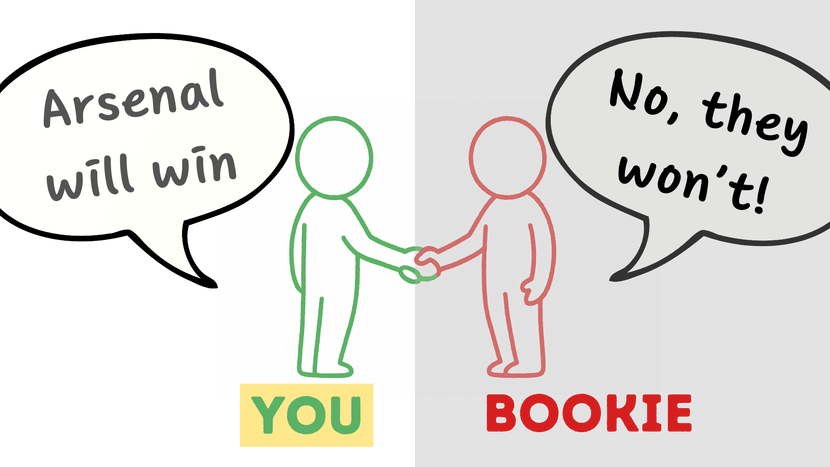
Back bets:
You place a £10 back bet that Arsenal will win the match. The bookie is laying your bet.
A back bet is a bet that an outcome will happen.
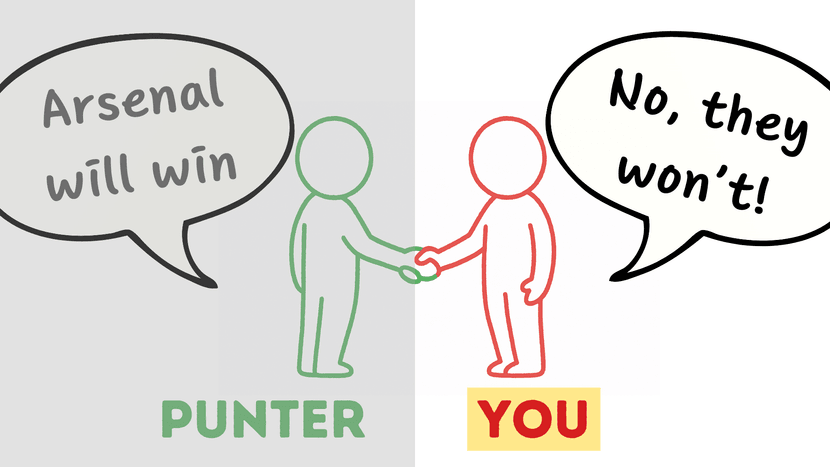
Lay bet:
You place a lay bet that Arsenal will not win the match. Another punter is backing your bet.
A lay bet is a bet that an outcome will not happen.
| Bet Type | You’re Betting That… | If You Win… | If You Lose… |
|---|---|---|---|
| Back | Something will happen | You win money from the bookie | You lose your stake |
| Lay | Something won’t happen | You win the backer’s stake | You pay out their winnings (liability) |
Before We Start: Liability & Liquidity
What is liability, and why does it matter?
Liability = The amount you will pay out to your backer if your lay bet loses.
Liability = (Lay odds - 1) × Lay stakeExample
Lay £10 on Team A at odds of 3.0
Liability = (3.0 - 1) × £10 = £20
If Team A wins, you lose £20.
Liability is taken from your balance when you place the bet and is held by the exchange until the bet settles. It can be alarming when you first see it. As long as your back bet is in place, it's covered: if your lay wins, you get the liability back; if it loses, your back bet wins.
Your exchange account needs enough funds to cover this liability, or the bet won’t be accepted.
What is Liquidity?
Liquidity = Money available in the market to match your bet.
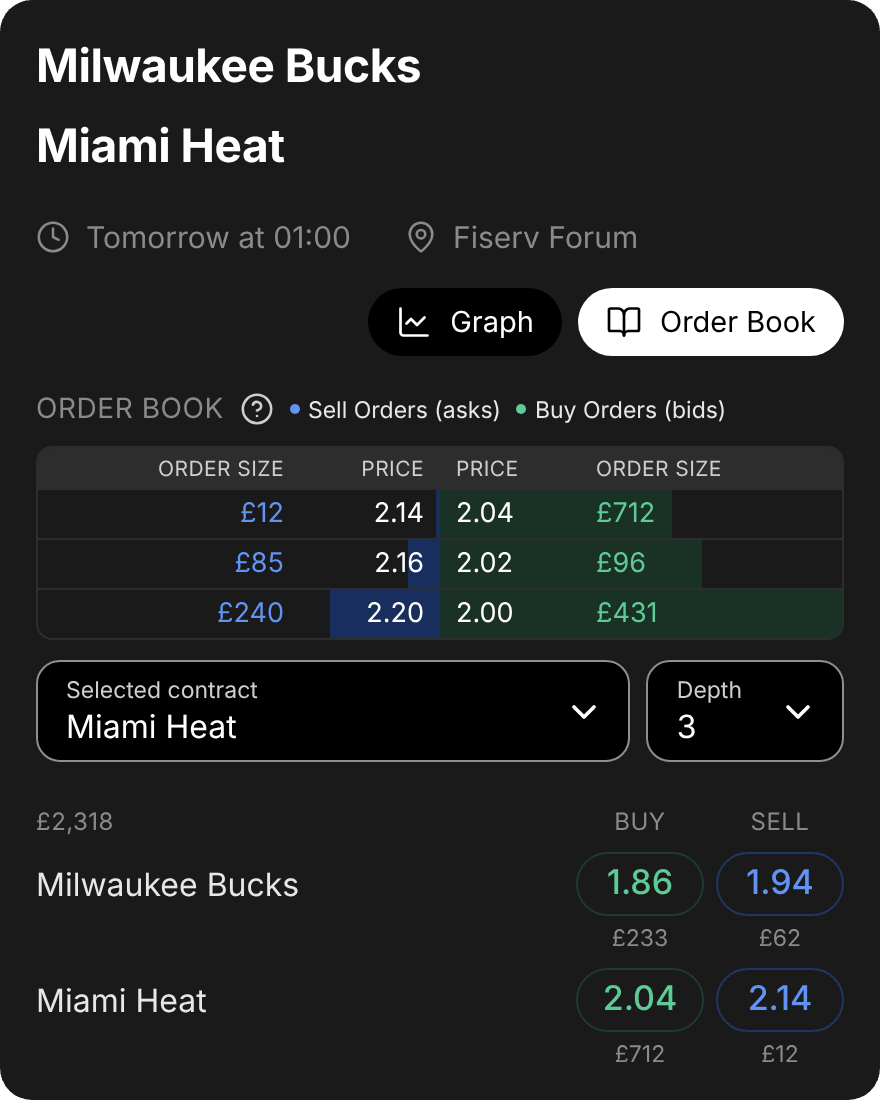
Exchanges show how much money is available at each price. On Smarkets, it's the amount under each price. Tap Order Book to see the next few prices and how much is waiting at each.
Example
If you wanted to lay £20 on the Milwaukee Bucks at 1.94, you could do so immediately.
But if you wanted to lay Miami Heat at 2.14, your maximum lay would be £12. The Order Book shows another £85 at 2.16, so you could lay more at a slightly worse price.
If liquidity is low, you can:
- Move your odds slightly to where there’s more money available
- Wait until closer to kickoff, when more users enter the market
Always check liquidity before you place your lay bet.
Don’t panic if there's not enough liquidity — liquidity often increases closer to the event.
Not sure which exchange to use? Betdaq closed in October 2026, so it's mostly Smarkets, Betfair and Matchbook now. Our Betdaq alternatives guide compares their commission.
How to Lay a Bet: Step-by-Step
You’ve just signed up for a new bookmaker, Virgin Bet. In this example they're offering £20 in free bets once you place a £10 qualifying bet at odds over 2.0 (an older offer, used for illustration: always check the current terms). To trigger the offer with minimal loss, you’ll place a back at the bookmaker and a lay on the exchange to cover all outcomes.

Step 1: Find a Qualifying Event
You find a match between Manchester United vs Tottenham on Virgin Bet. This seems a potentially good option because:
- Soon: We prefer matches that are happening today, or tomorrow.
- Major event: There'll be close odds, plenty of liquidity at the exchange, and looks like an event a genuine punter would choose.
- Meets Ts and Cs: The odds are over 2.0.
Step 2: Find the Event on the Exchange
You search for the match — Manchester United vs Tottenham — and click into the event page. You’ll see the list of outcomes (e.g. Match Odds market: Manchester United, Draw, Tottenham) with two prices for each: a back price and a lay price. On Smarkets, the back price is the green BUY price and the lay price is the blue SELL price. Other exchanges label and colour them differently, so check the label. You want to lay Manchester United, so look at the blue SELL price next to “Manchester United.”
Step 3: Check the Lay Odds and Liquidity
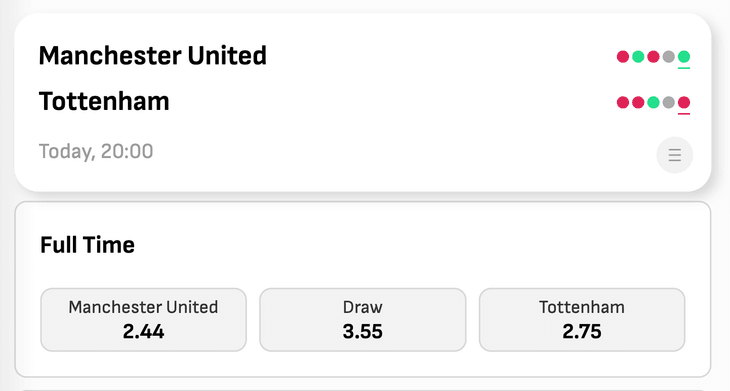
At Virgin Bet, the back odds for Manchester United are 2.44.
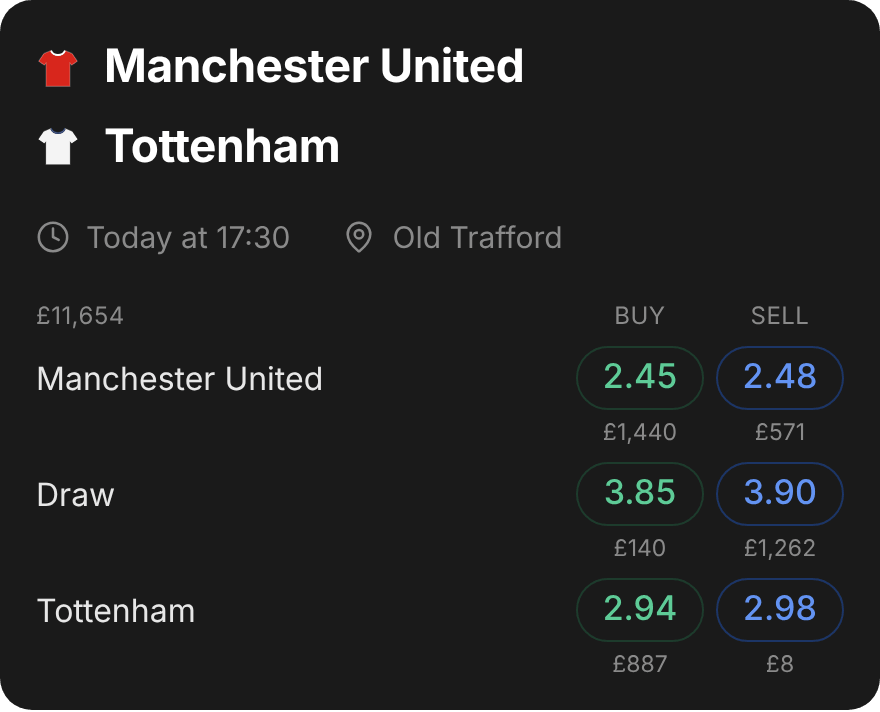
At Smarkets, the lay odds (the blue SELL price) for Manchester United to win are 2.48.
The amount under the SELL price shows there is £571 ofliquidity – more than enough to cover your bet.
Step 4: Calculate Your Lay Stake
You don’t just match your back stake blindly — you need to calculate the lay stake to cancel out your bet. Since your commission at Smarkets is 2%, you enter:
The calculator gives you a lay stake of £9.92, and your qualifying loss is 28p. This is the cost of unlocking your £20 free bet.
Go to Lay Bet CalculatorStep 5: Add the Bets to Your Betslips
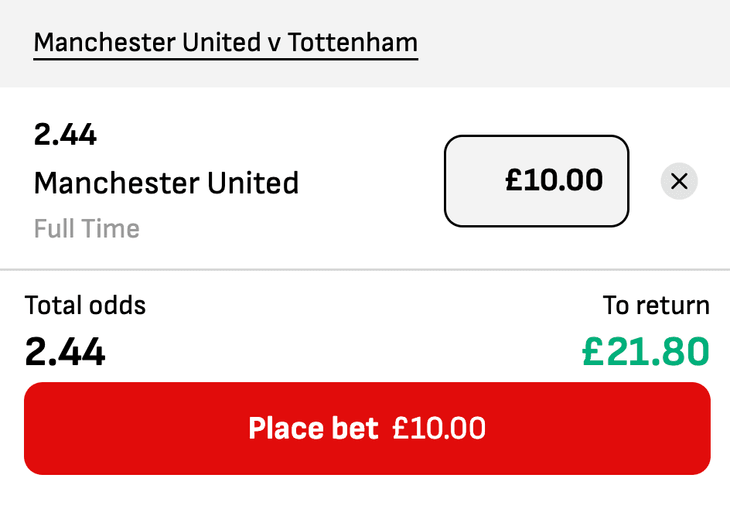
At Virgin Bet, add Manchester United to win to your betslip, and enter a stake of £10.
Don't place your bet yet.
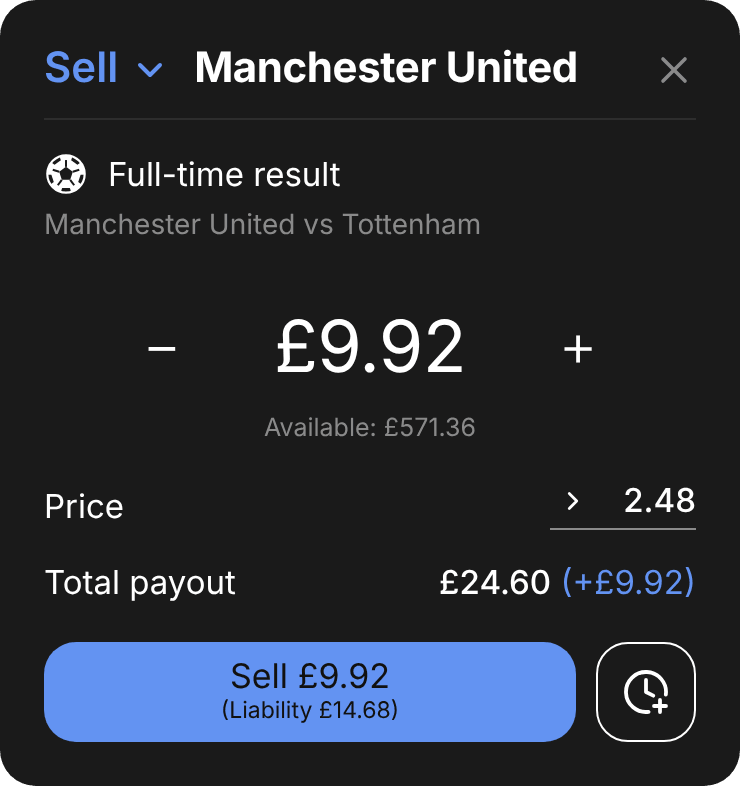
At Smarkets, tap the blue SELL price for Manchester United to add it to your bet slip as a lay bet. Check the slip says Sell (Smarkets' word for lay), not Buy, and enter your stake of £9.92. You can type it, or use − and + to adjust it.
The slip shows how much is Available at that price, the Price (2.48) and the Total payout (£24.60). The button reads Sell £9.92 (Liability £14.68).
Don't place your bet yet.
Step 6: Check, Then Place Both Bets
Double-check everything:
- Do you have enough money at Virgin Bet to cover your stake?
- Do you have enough money at Smarkets to cover your liability?
- Are the odds the same as when you calculated?
- Is your lay stake correct?
- Is there enough liquidity to cover your full stake?
If yes...
At Virgin Bet, click Place bet to back Manchester United at odds of 2.44.
At Smarkets, tap Sell £9.92 (Liability £14.68) to confirm the lay bet on Manchester United at odds of 2.48, then check it shows as fully matched.
- If Manchester United win:
You win the back bet at Virgin Bet: £14.40
You lose your lay bet and pay out £14.68 (your liability).
Net loss: 28p. - If Manchester United don’t win:
You lose your £10 back stake at Virgin Bet.
You win the lay bet and receive the backer’s £9.92 stake.
Minus commission, you keep about £9.72.
Net loss: 28p.
You've Now Qualified for Your Free Bet
That’s it — your qualifying bet is complete. You’ve now triggered the bookmaker’s offer and should see your free bet credited soon (this might be within a certain timeframe from after the bet is placed, within a certain timeframe from after the bet is settled, or immediately – check the bookie's terms).
You made a small, controlled loss — in our example, just 28p — but in return you now have a £20 free bet to turn into real profit.
Now it’s time to use that free bet the right way. We’ve written a full step-by-step guide to show you exactly how:
Summary: Key Points to Remember
- You can only lay bets at exchanges, not bookmakers.
- Always use a calculator to get the correct lay stake.
- Make sure your exchange account has enough to cover liability.
- Place both bets quickly to avoid odds movement.
- Liquidity is essential — without it, your lay bet might not be matched.
Why Tools Like OddsMonkey Make This Easier
If all of this sounds like a lot to manage — odds, stakes, liability, commission — that’s because it can be, especially when you’re just getting started. That’s where OddsMonkey Ad comes in.
OddsMonkey helps you:
- Find offers to profit from
- Find close back and lay matches automatically
- Calculate correct lay stakes instantly
- Place bets at exchanges with a click
- Track your bets and profit automatically
- Access a support forum (on paid plans), which we find really useful
You can absolutely do it manually, and many people do — but if you want to save time and reduce errors, it’s worth checking out. They have a free version (sign-up offers and tutorials), so you can try it out without committing.
Ad We earn a commission if you join OddsMonkey through our links, at no extra cost to you. We could partner with plenty of matched betting tools. We recommend OddsMonkey because it's the one Ryan uses, and loves, for his own matched betting. That commission keeps Matched Edge free.
AdSmarkets images in this guide are illustrations based on its current layout, using this guide's example prices.